

Postpartum does not end when women return to work
For many women, returning from maternity leave does not mark the end of postpartum, but the beginning of a new transition phase often experienced without real support.
Postpartum does not end when women return to work
For many women, returning from maternity leave does not mark the end of postpartum, but the beginning of a new transition phase often experienced without real support.
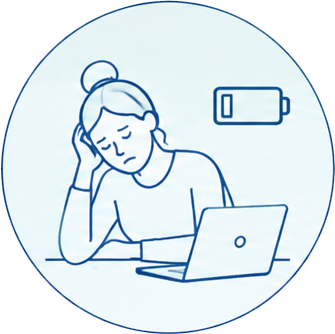
Persistent exhaustion.
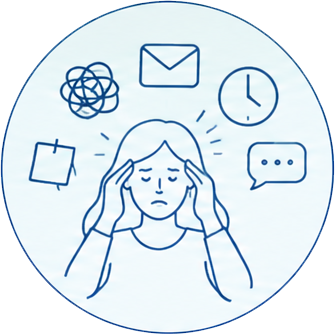
Mental overload.
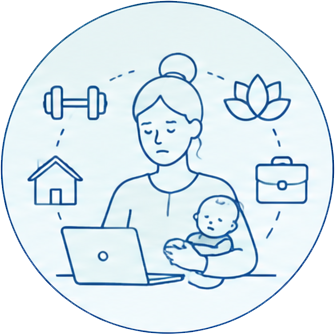
Difficulty finding balance between physical recovery, mental health, motherhood and professional responsibilities.
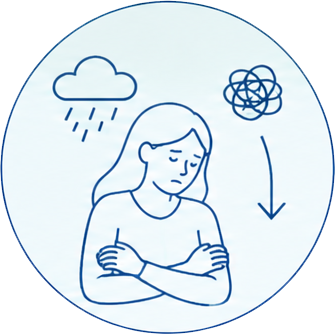
Loss of stability, emotional overload and reduced confidence.
Persistent exhaustion.
Mental overload.
Difficulty finding balance between physical recovery, mental health, motherhood and professional responsibilities.
Loss of stability, emotional overload and reduced confidence.
And yet, many women still return to work while navigating a significant physical, mental and emotional transition, often without structured support.
What research shows

Nearly 1 in 5 women experience a depressive episode during the first year after childbirth.

The World Health Organization recognises that the postnatal period is critical for both physical and mental health, and that women may require ongoing support beyond the first weeks after birth.

Studies suggest that the transition back to work after maternity leave is closely associated with maternal mental health, wellbeing and work–life balance.

Maternal mental health challenges may affect workplace functioning and are associated with outcomes such as increased absenteeism and presenteeism, lower engagement and concentration, reduced productivity, and greater retention risks among women in the workplace.
Source: Tebeka et al. (2020), Prevalence and incidence of postpartum depression and environmental factors: the IGEDEPP cohort.
Source: WHO, WHO recommendations on maternal and newborn care for a positive postnatal experience (2022).
Source: Franzoi I.G., Sauta M.D., De Luca A., Granieri A. (2024), Returning to work after maternity leave: a systematic literature review.
Source: Costa et al. (2021), MAMH@WORK Project.
Nearly 1 in 5 women experience a depressive episode during the first year after childbirth.
Source: Tebeka et al. (2020), Prevalence and incidence of postpartum depression and environmental factors: the IGEDEPP cohort.
The World Health Organization recognises that the postnatal period is critical for both physical and mental health, and that women may require ongoing support beyond the first weeks after birth.
Source: WHO, WHO recommendations on maternal and newborn care for a positive postnatal experience (2022).
Studies suggest that the transition back to work after maternity leave is closely associated with maternal mental health, wellbeing and work–life balance.
Source: Franzoi I.G., Sauta M.D., De Luca A., Granieri A. (2024), Returning to work after maternity leave: a systematic literature review.
Maternal mental health challenges may affect workplace functioning and are associated with outcomes such as increased absenteeism and presenteeism, lower engagement and concentration, reduced productivity, and greater retention risks among women in the workplace.
Source: Costa et al. (2021), MAMH@WORK Project.
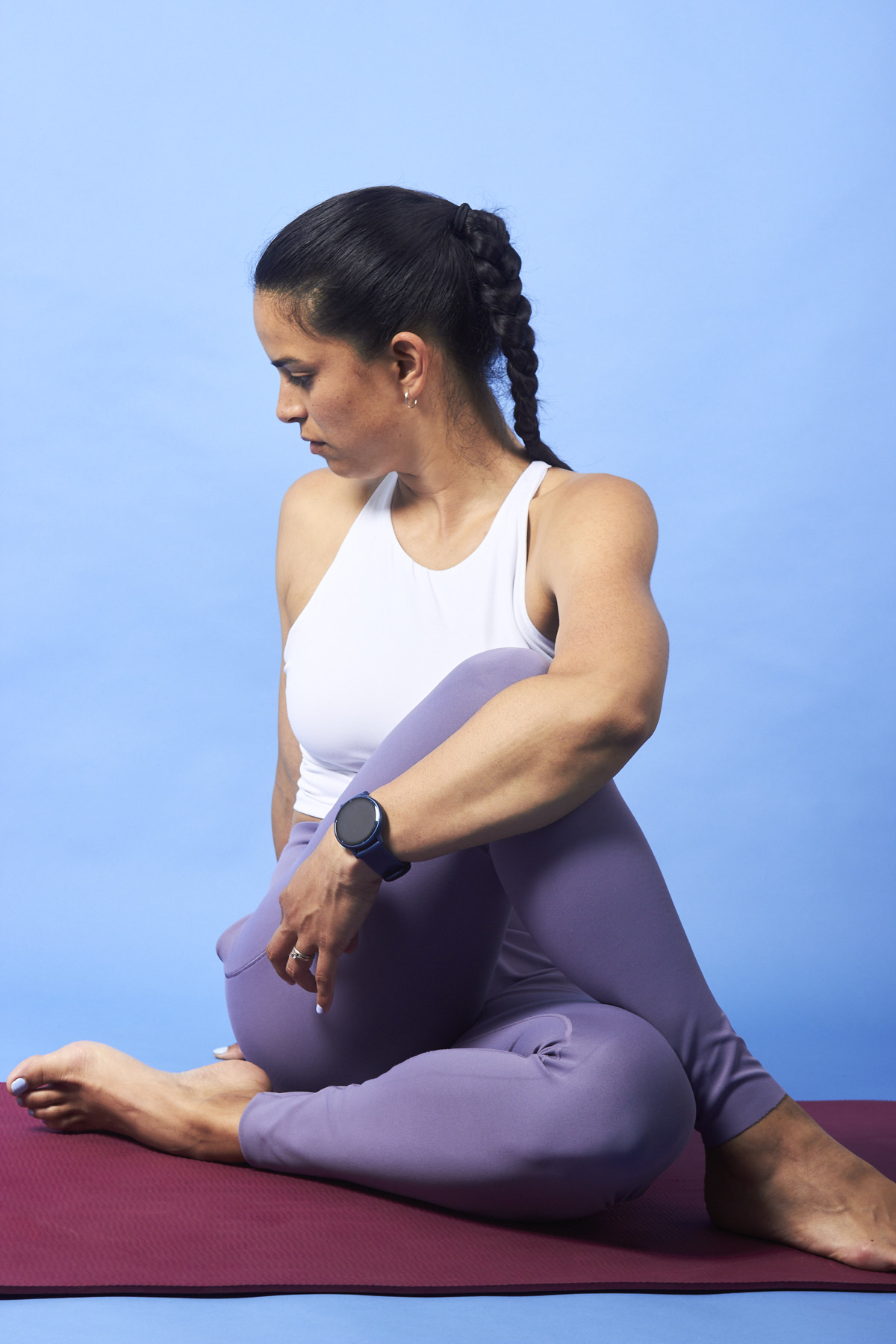
These experiences
are not isolated
Conversations with postpartum women, field observations and scientific research reveal that the same challenges emerge again and again.
Common challenges include:
Feelings of isolation
Lack of support after childbirth
Persistent physical and mental exhaustion
Difficulty returning to movement in a safe and adapted way
Difficulty finding balance between personal and professional life
Significant mental overload linked to motherhood and returning to work
Why this topic also matters to companies

Engagement and retention
A poorly supported return from maternity leave can affect employees’ sense of belonging, engagement and desire to stay within the company.
According to McKinsey & LeanIn, 1 in 3 women have considered slowing down or leaving their careers due to burnout and insufficient support.
The World Health Organization estimates that depression and anxiety cost the global economy approximately $1 trillion annually in lost productivity.
Source: McKinsey & LeanIn – Women in the Workplace
Source: WHO – Mental Health at Work

Mental health and workplace performance
Postpartum is a period of intense physical, emotional and mental transition that often continues well beyond the return to work.
When these realities are not recognised or supported, they can contribute to:
- Chronic exhaustion
- Reduced concentration and energy
- Lower engagement
- Presenteeism
- Progressive disengagement
- Increased mental overload
Source: MAMH@WORK Project
Wellbeing and progressive return
Supporting employees during this transition can help them:
- Return to work more progressively and confidently
- Regain balance between personal and professional life
- Improve overall wellbeing
- Feel supported and valued during a major life transition

A more human workplace culture
Recognising postpartum realities in the workplace also sends a strong message to employees:
That of a company that is more human, more supportive and more attentive to major life transitions.
Today, parental support and mental health policies are also becoming strategic topics for employer branding, employee retention and workplace attractiveness
Postpartum does not end when maternity leave does
Pura Vida Flow helps companies create more human and supportive postpartum experiences for their employees.

Today, many women continue to navigate postpartum with limited support, long after maternity leave ends.